How Much Work Today Is “Routine”? What’s Changing, and What It Means for Workers and Business Efficiency
Short answer: estimates vary by method, but using task-based measures we find two consistent signals:
(1) a relatively small share of jobs are classified as high-risk routine jobs (single-digit to low-teens percent in many OECD analyses), while
(2) a much larger share of work hours or tasks — often measured as the portion of time spent on repeatable, automatable tasks — can be automated with current or near-term technology (estimates range around ~40–57% of work hours). That gap matters: much routine work is concentrated in tasks inside jobs (not entire jobs), so AI and automation will reshape task mixes inside roles rather than simply “replace” whole occupations.
1) What researchers mean by “routine” — and why measurement matters
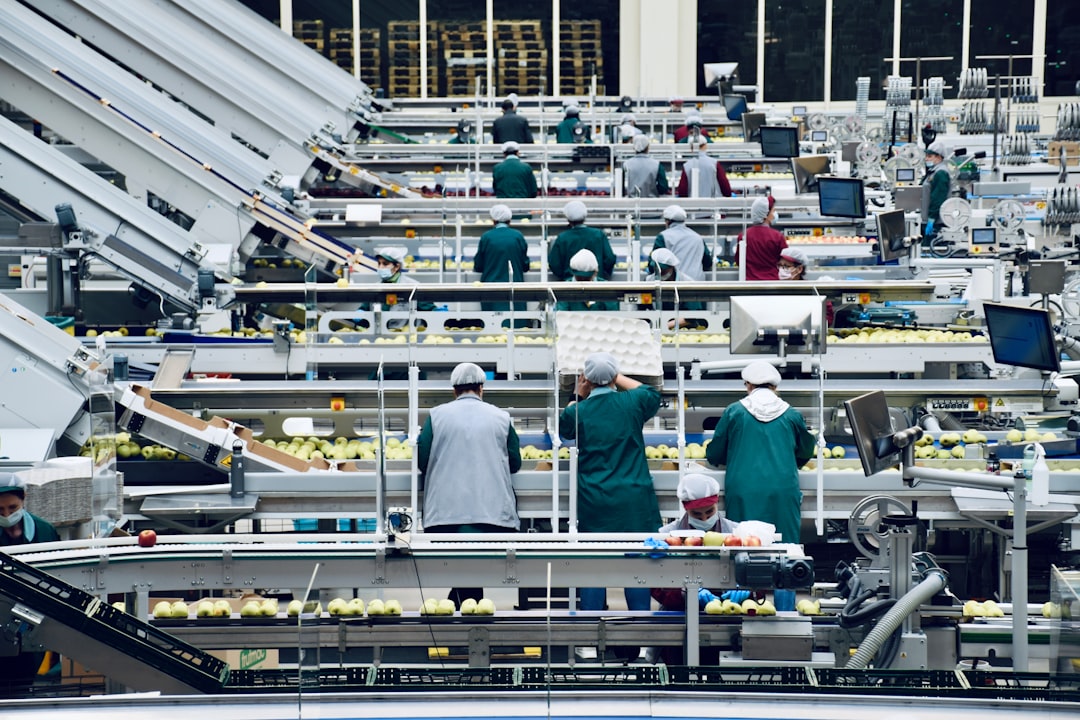
“Routine” is a task-level concept. Economists separate work into tasks (e.g., data entry, inspection, creative problem solving, interpersonal negotiation). A job becomes “routine-intensive” when many of its tasks are repetitive, rule-based, and …